
We Walk In. We Find What Is Bleeding Money.
Map the business. Pin the expensive manual work. Replace it with custom software and automations you own, systems that do not call in sick.
What Actually Changes.
Left is a typical operations team the week we walk in. Right is the same team once the systems are live. Read across.
32 hours a week of manual data entry
41 minutes a week with one agent watching the pipes
Three tools that do not talk to each other
One unified system, custom to the business
Reports built by hand every Monday morning
Reports generated and surfaced before you ask
A human bottleneck on every approval
Rule-based approvals, escalated when they need a person
An ops manager copying and pasting six hours a day
The ops manager running strategy, not data entry
Errors caught weeks after they happened
Errors caught in real time with automated alerts
A new hire takes three months to be useful
A new hire productive on day one with AI-assisted onboarding
Four Steps. The First One Is Free.
The audit is a real deliverable, not a sales call. Everything after it is scoped and quoted before a line is written.
- 01
Audit
We map every manual workflow, tool and data flow. You know exactly what is bleeding before signing anything. Most clients are surprised by the number.
- 02
First system
We take the highest-leverage workflow and build it first. You see return within two weeks of signing. This is not a roadmap promise.
- 03
Compound
Each system informs the next. Agents share context, data flows between tools. By week six the ops team is doing work that would have needed three new hires.
- 04
Handoff
Full documentation. You and your team can operate and extend everything we built. No black boxes, no vendor lock-in. You own the systems.
Put your own numbers in.
Hours, headcount, hourly cost. The figure it returns is the one we will be arguing about in the audit anyway, so you may as well see it now.
How much manual work is hiding in the business?
The audit maps where those hours go, which systems can safely replace them, and where human approval still belongs.
Get a free 5-day audit →Six Industries We Have Already Done This In.
- Logistics
- Manual dispatch, routing and ops tracking replaced with agentic pipelines. Built for Kadima Logistics.
- Real estate
- Underwriting, deal flow and loan tracking automated for H Equities, bridge loans and direct equity. Read the case study →
- Media and news
- An AI translation CMS for news stations, built for baba Enterprise. Live content at scale with no manual effort. Read the case study →
- E-commerce
- Shopify builds and automations. Custom storefronts, API integrations and fulfilment pipelines.
- Hospitality
- Brand sites, booking systems and guest-facing AI for travel and hospitality businesses. Read the case study →
- Professional services
- Ops automation, client intake and reporting dashboards. Manual overhead replaced with agentic systems. Read the case study →
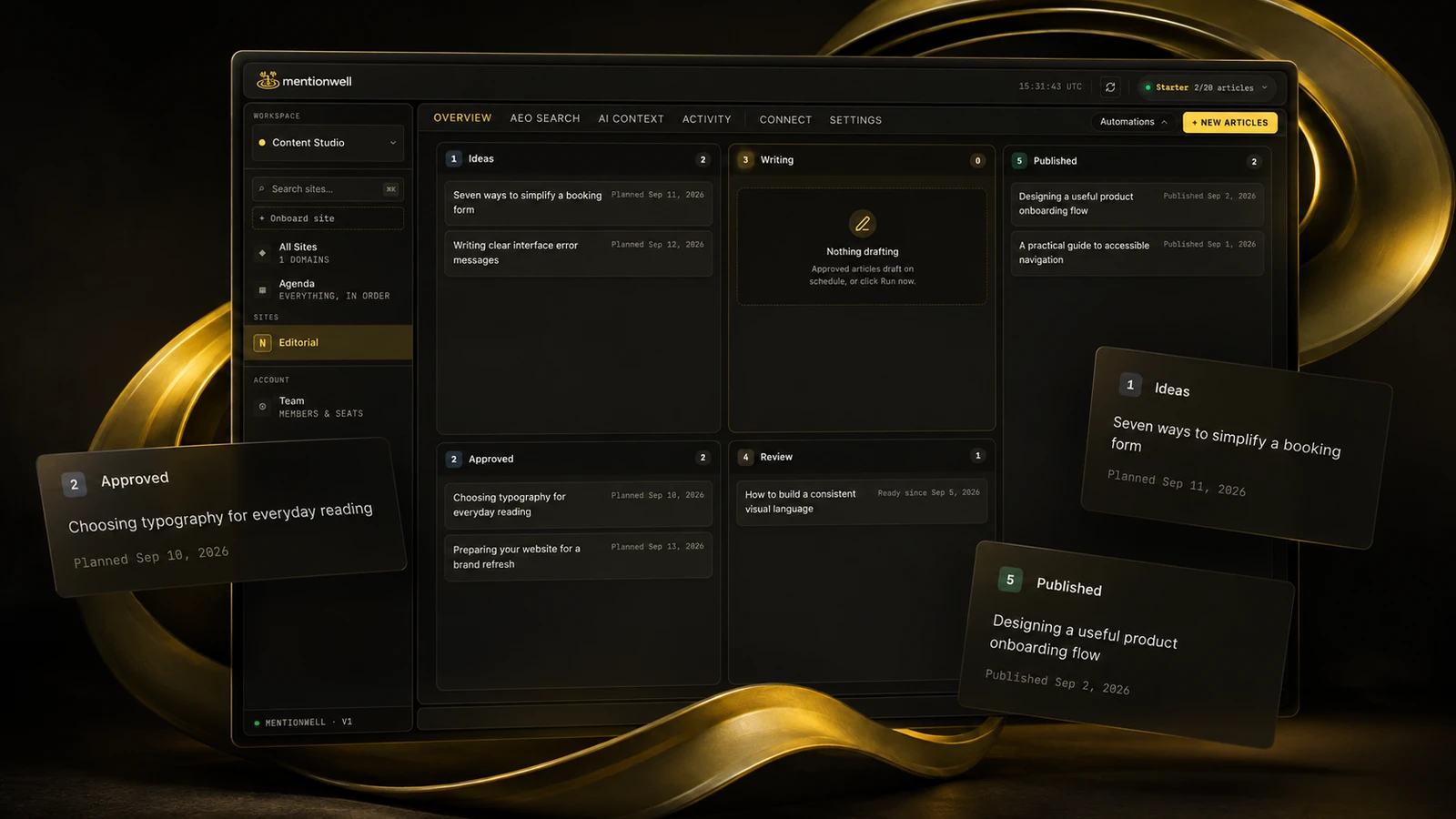
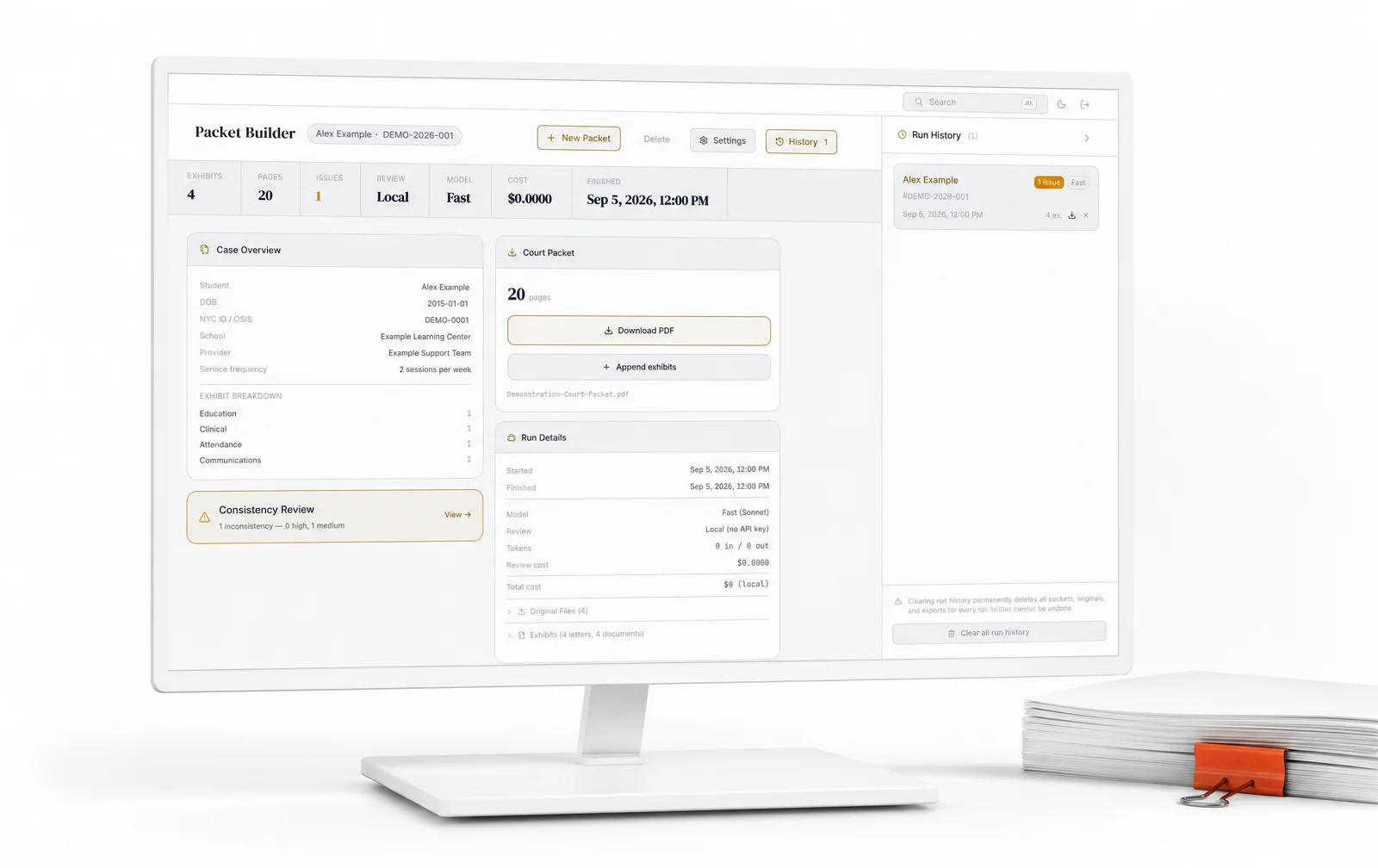
Automation That Is Running Right Now.
Automation questions.
Answers for operators looking for AI systems that replace repetitive manual work.
How does ZipLyne solve problems inside an existing business?
ZipLyne walks the real workflows first: manual operations, repetitive tasks, data handoffs, approval bottlenecks, and tool gaps. After that map is clear, the agency scopes custom software that removes the expensive friction.
What business processes can ZipLyne automate or rebuild?
Common targets include intake, reporting, email replies, document processing, lead qualification, order management, customer support, onboarding, custom CRMs, and internal dashboards.
What admin work should a small business automate first?
Start with repetitive, low-exception admin work: invoicing, lead intake, reminders, document routing, and weekly reporting. ZipLyne then replaces the leftover spreadsheet and inbox work with custom software the team actually uses.
How quickly can the software pay for itself?
The best first systems target a measurable manual workload, so ROI can often be visible within weeks. Exact payback depends on volume, labor cost, error rate, and how much of the workflow can be safely automated.
Will the team be able to operate the systems?
Yes. ZipLyne documents the workflows, connects them to existing tools where practical, and hands over systems the business can operate without vendor lock-in.
Let’s Build What’s Next.
Bring the business problem. We’ll talk through what would make a difference and where to start.